
Remembering to Return
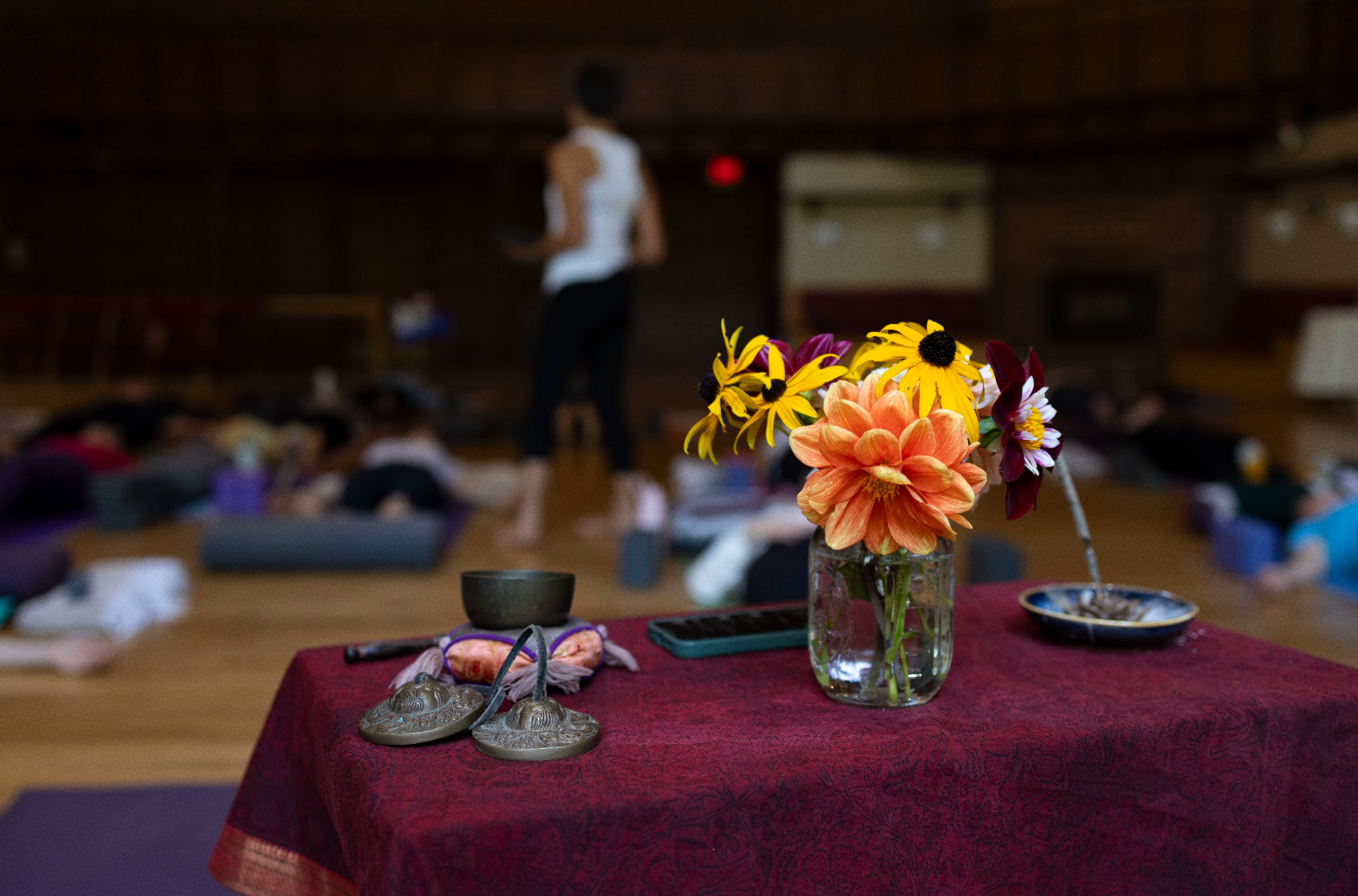
We live in a world that is constantly calling for our attention, luring us away from presence with one distraction after another. The phone, the news, the lists, the planning, the worry, the subtle feeling that we need to get somewhere else, keep up with something more, or respond faster than our bodies and hearts may be ready for.
It is so easy to feel scattered, distracted, pulled away from what is right here — and then begin to judge ourselves for feeling this way. But distraction is not a personal failing. Distraction is part of our current human condition.
I sense that beneath the scrolling, striving, and rushing, many of us carry a quiet inner longing for more ease — and to simply be here, in the body, in the breath, in this moment.
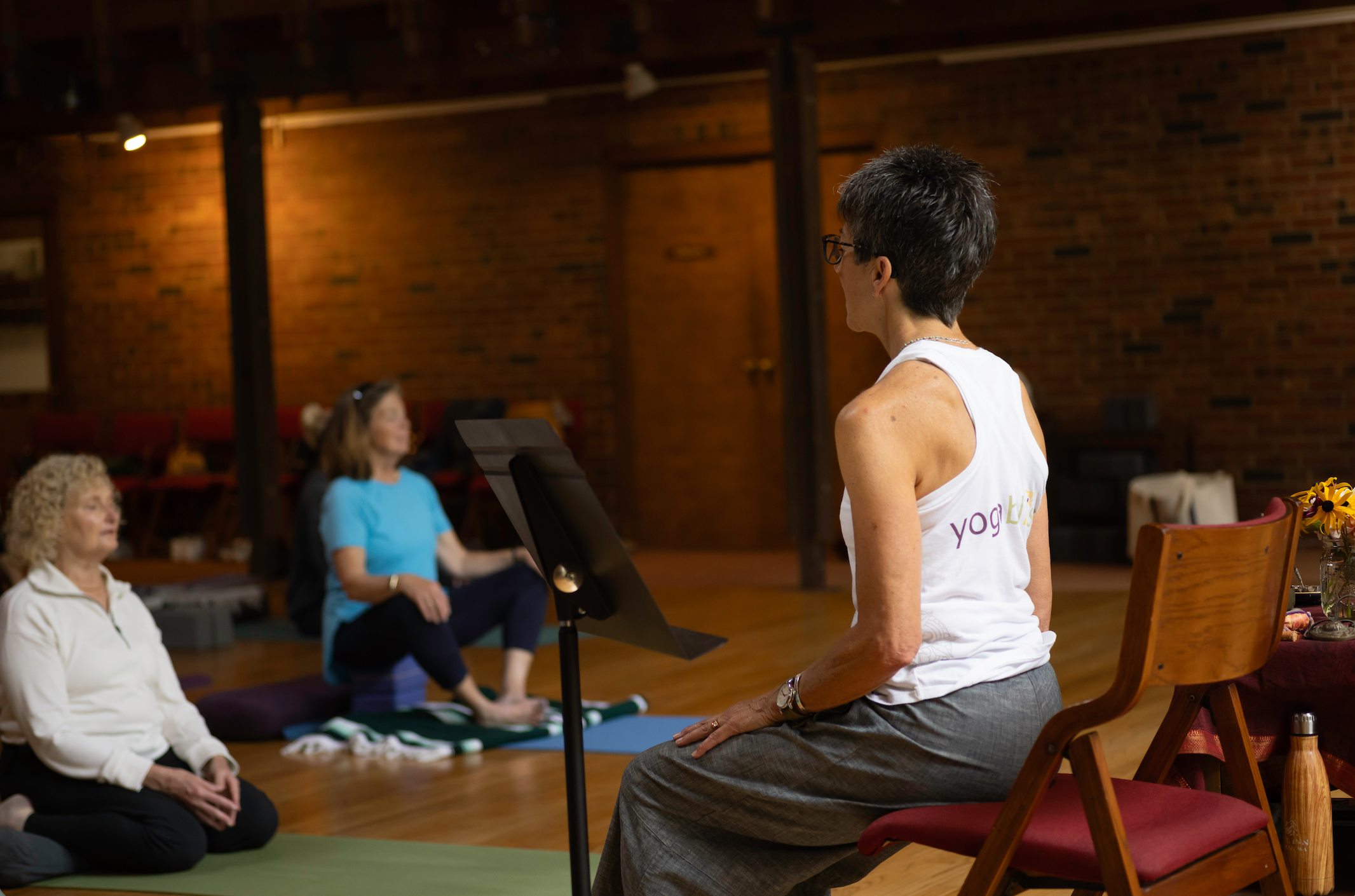
“On the most basic level, mindfulness is the practice of remembering.”
Across time, the pressures of being human have looked quite different. What pulls at our attention now may not be the same as what pulled at the hearts and minds of those who lived long before us, but the ancient practices of meditation and mindfulness continue to offer a steady pathway back into presence. These teachings have been passed forward to us because they continue to meet something timeless in us all: the need to pause, to listen, and to remember.
On the most basic level, mindfulness is the practice of remembering — Sati.
I love this Pali word, often translated as mindfulness in the early Buddhist teachings. Sati carries the meaning of remembering or recollecting. This points us toward something simple and deeply human: the capacity to remember that we can choose to come back.
And this remembering is not about trying to corral the mind or stop thinking from happening. The mind is not the enemy. Thinking helps us plan, create, understand, and make our way in the world.
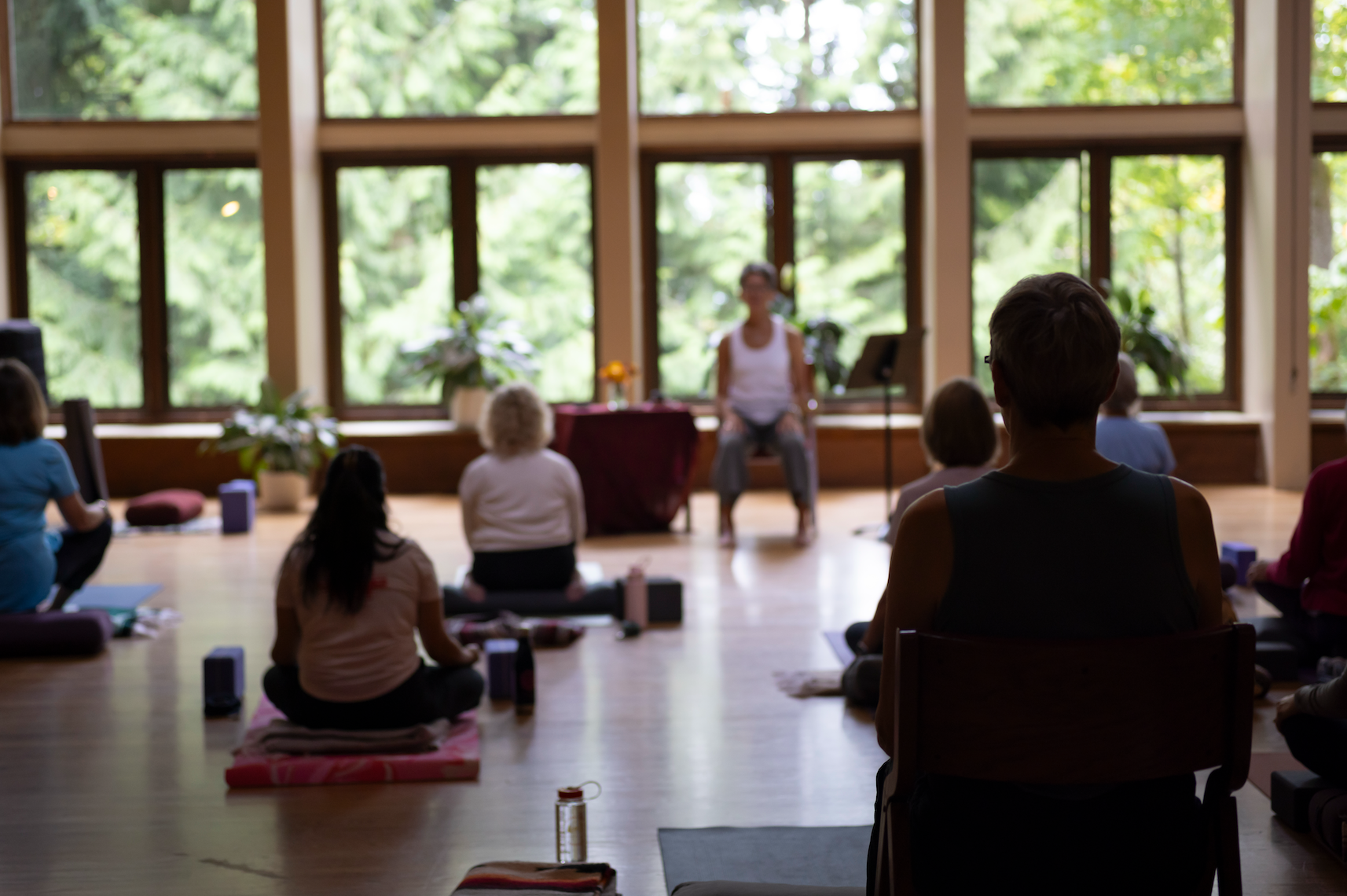
“We may not always have the time or inclination to sit down and meditate.
But we can still practice in simple, ordinary ways — at home, at our desk, in the car before moving into the next thing…”
But mindfulness helps us notice when thinking becomes another distraction, pulling us away from the moment we are in. It gives us a way to notice this with kindness — and to choose, again and again, to return to where we are, who we are, and who we are with.
This remembering can happen in small and ordinary ways:
Remembering where we are.
Remembering the body.
Remembering the breath.
Remembering the heart.
Remembering what steadies us.
Remembering what matters.
Remembering to be here.
We may not always have the time or inclination to sit down and meditate. But we can still practice in simple, ordinary ways — at home, at our desk, in the car before moving into the next thing, before picking up the phone, or anytime we notice we have been pulled away. We might take a moment to pause and look around, gaze out the window, feel our feet on the ground, or tune in to the sounds around us. Each of these can become a small doorway back into presence.
One simple practice I like to call the 3-2-1 moment can be helpful when you feel anxious, overwhelmed, or scattered:
3 — Notice three things you can see.
2 — Notice two places where you feel the body.
1 — Notice one sound you can hear.
This is not some kind of trick, or another thing to add to your list or do perfectly. It is simply a way of remembering that we are here, this is now, and we can return.
Perhaps this is the quiet invitation of practice: to remember that we can come home anytime. Sometimes the return begins with one slower breath, a sound, one honest moment of presence.